
Why this article matters again in 2026
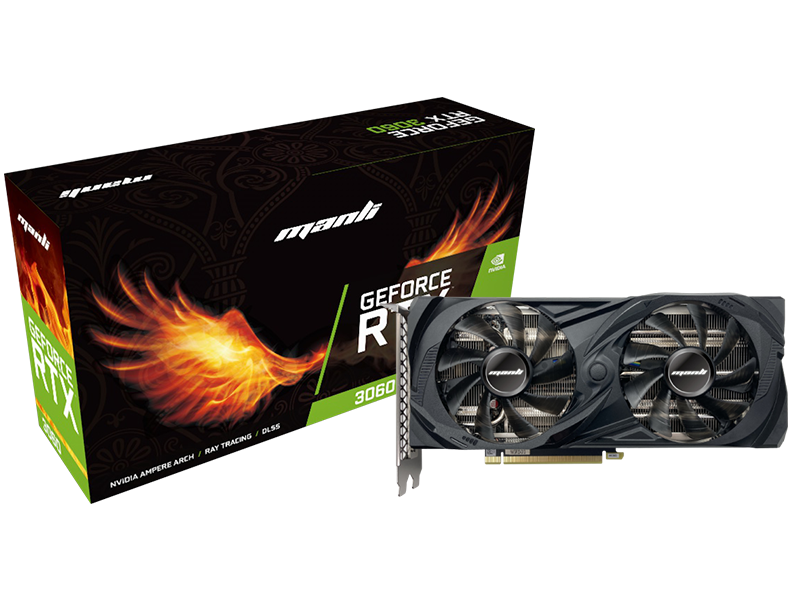
Reports of a potential relaunch of the RTX 3060 by Nvidia as GPU pricing pressure and memory supply constraints continue to affect the lower and midrange graphics market. That makes this earlier DigiDope.Tech article newly relevant, because the controversy around the RTX 3060 8GB was never just about having less memory—it was about shipping a meaningfully weaker card under a familiar name.
Originally published: 2022
Updated: 2026
Archive status: Recovered
Archive Note:
This article is based on recovered DigiDope source material from the recent DigiDope.Tech era. It has been updated in 2026 for clarity, formatting, and context while preserving the original topic and core conclusions.
When the GeForce RTX 3060 8GB first appeared, the most obvious difference was the one Nvidia likely expected buyers to notice first: memory capacity. On paper, it looked like a lower-cost version of the familiar RTX 3060 12GB.
In practice, that framing hid the real story.
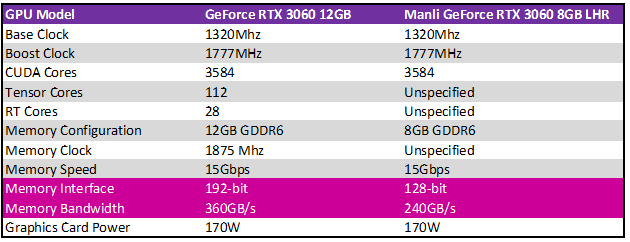
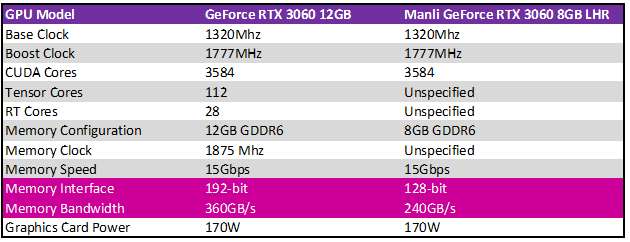
This was not simply an RTX 3060 with less memory. It was a more heavily cut-down product with a significantly narrower memory interface.
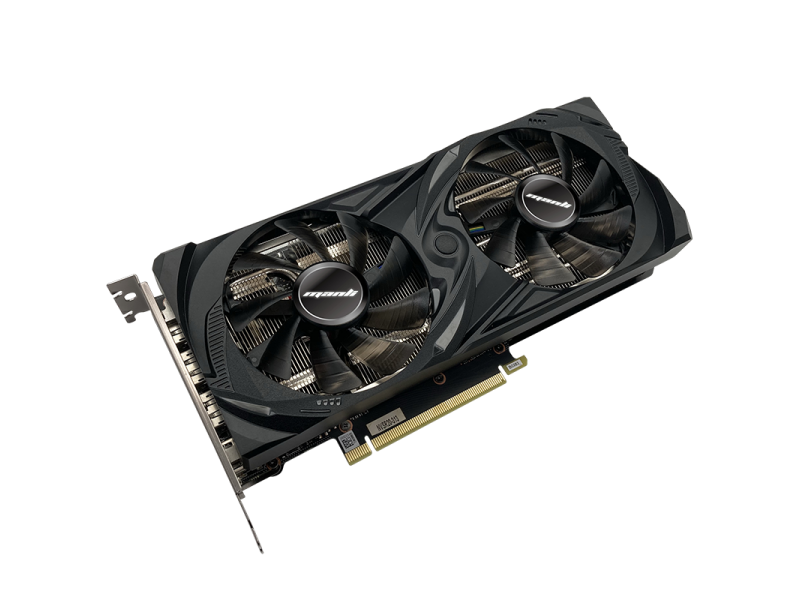
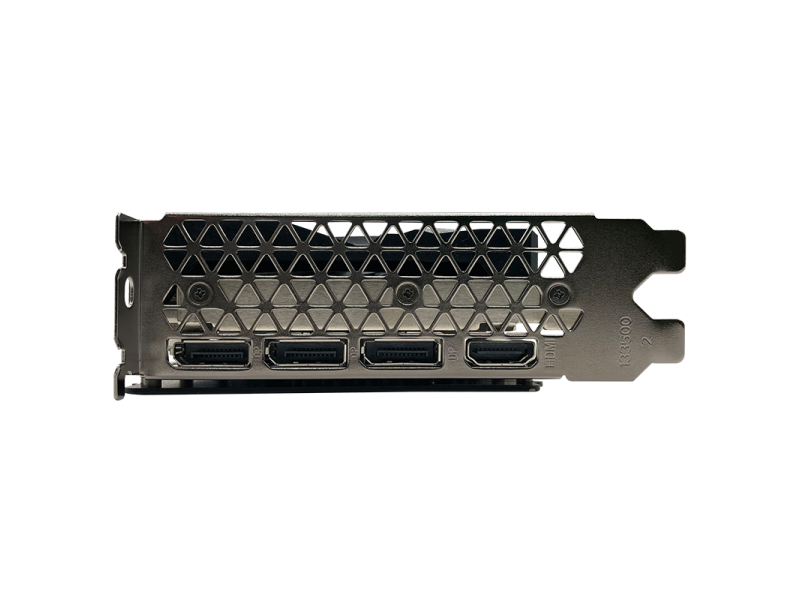
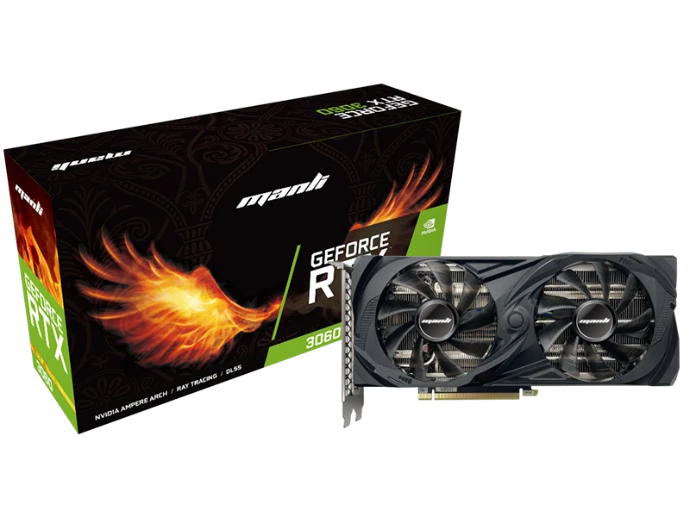
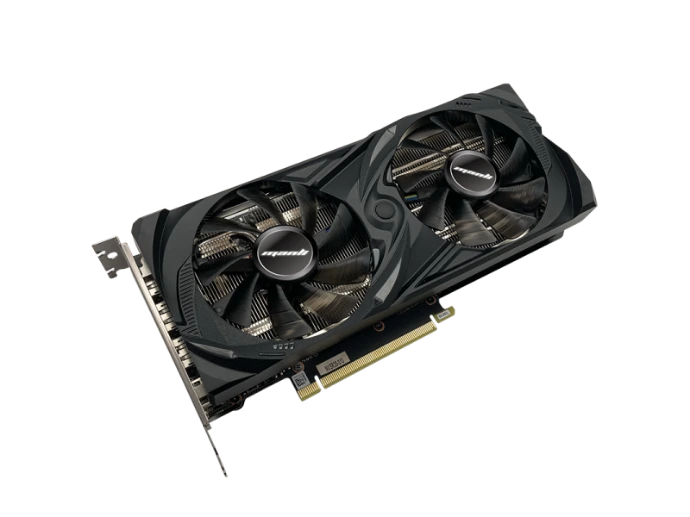
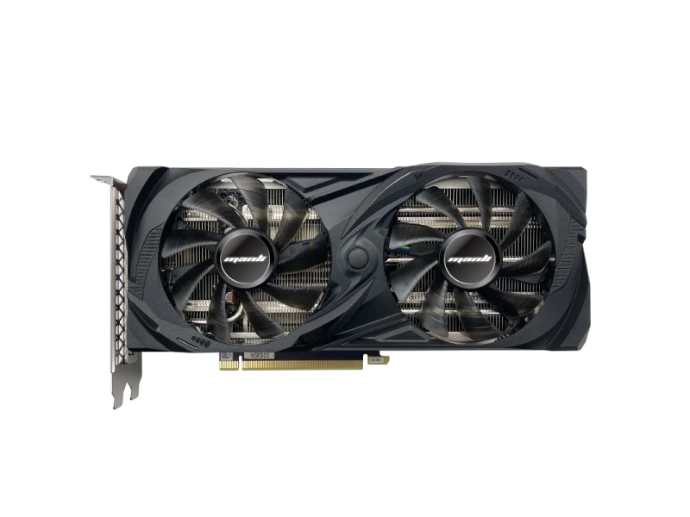
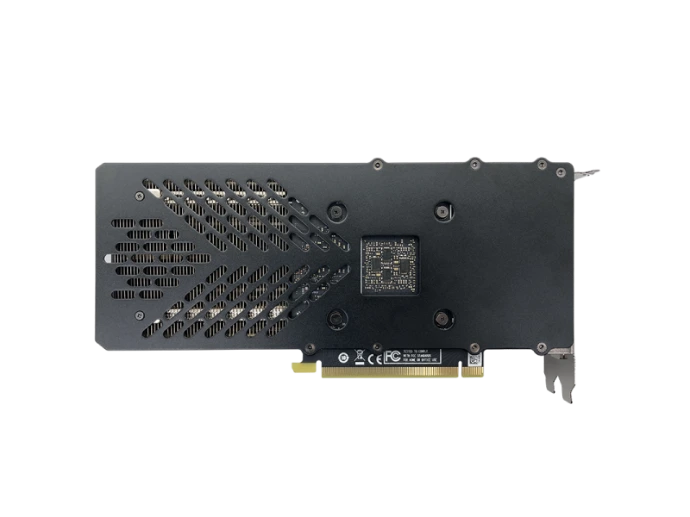
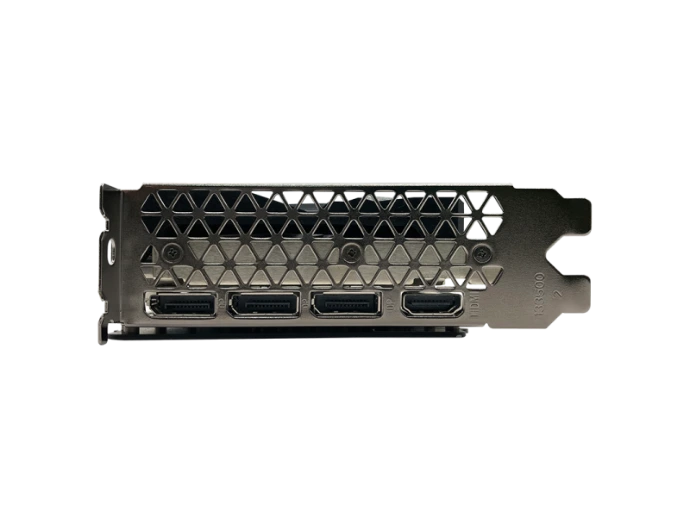
At the time, one of the first official product pages to surface publicly was for a Manli-branded RTX 3060 8GB model. Manli was not a familiar brand for many North American buyers, but the significance of the listing went far beyond the manufacturer itself. The more important point was that the 8GB version of the RTX 3060 was real, and that broader regional availability appeared likely.
A lower-cost RTX 3060 would have made sense in theory. The standard 12GB model often sat at awkward pricing relative to AMD and Intel alternatives. But Nvidia’s version of “lower cost” came with a tradeoff many shoppers were unlikely to understand at a glance.
The headline memory change from 12GB to 8GB was only part of the downgrade.
The more important change was the drop from a 192-bit memory bus to a 128-bit bus. In the published specifications, that reduced memory bandwidth from 360 GB/s to 240 GB/s, a 33% reduction.
That matters because graphics cards are not defined by VRAM capacity alone. Memory bandwidth directly affects how quickly the GPU can move data, and cutting it this sharply changes the card’s real-world performance profile.
This was reminiscent of several earlier Nvidia product naming controversies, where the model name suggested a smaller variation of the same card while the underlying product was meaningfully different. The GTX 1060 3GB versus 6GB split is an obvious example. More recently, Nvidia’s abandoned RTX 4080 12GB plan drew criticism for the same reason: the memory number looked like the main difference, but the hardware underneath told a different story.
That is what made the RTX 3060 8GB such a frustrating product.
To an informed buyer comparing specifications closely, the issue was obvious. To the average shopper browsing online or standing in a retail store, it was not. Many would reasonably assume they were buying a slightly cut-down RTX 3060, when in reality they were getting a card with substantially less memory bandwidth and a different performance ceiling.
That naming problem is the entire issue.
If Nvidia had launched the card under a more distinct name, the reaction likely would have been different. Something like an “RTX 3050 Super” would at least have made the segmentation much clearer. Instead, the company chose a name that encouraged buyers to focus on VRAM capacity while overlooking the bus width and bandwidth loss that would matter just as much, if not more, in actual use.
At the time, it appeared Nvidia was trying to fill a pricing gap between the RTX 3050 and RTX 3060 12GB while also working through Ampere inventory. That made business sense. What did not make sense was doing so in a way that risked confusing buyers about what class of product they were actually getting.
There was still a legitimate question surrounding the card: could it offer decent value if priced correctly against AMD and Intel alternatives? That was the only real defense for the product. If the price had been low enough, the 8GB model could have served as a viable midrange option.
But from a branding and product clarity standpoint, the card remained a problem.
The RTX 3060 8GB was not just an RTX 3060 with 4GB less memory.
It was a weaker card wearing a familiar name.
Context (2026):
One reason this topic still matters is that the RTX 3060 has remained unusually persistent in the market compared with many other cards from its generation. Even years later, it continues to come up in buyer discussions because of pricing, availability, and the long tail of mainstream GPU demand. Reports in 2026 suggesting renewed RTX 3060 market activity only make the naming issue around the 8GB variant more relevant.
2026 Editor’s Note:
This article reflects a moment when GPU naming and segmentation had become increasingly confusing across the industry. Looking back, the core criticism still holds up well: memory capacity was the visible specification, but memory bus width and bandwidth were the more important story for understanding the real difference between these two products.
Related Reading:
- Raiders of the lost ARC
- Acer is on the Prowl
- Future RTX 3060 / midrange GPU market follow-up