
Originally published: 2022
Updated: 2026
Archive status: Recovered
Archive Note:
This article is based on recovered DigiDope source material from the recent DigiDope.Tech era. It has been updated in 2026 for clarity, formatting, and context while preserving the original topic and core conclusions.
Why this article still matters in 2026
Intel Arc is no longer an unknown quantity, but the launch of the first desktop Arc cards remains one of the more unusual GPU rollouts in recent memory. At the time, the problem was not just driver maturity or market skepticism. It was something more basic: for many buyers, the cards were simply hard to find. That gave the original DigiDope.Tech article a very specific question to chase—if Intel had launched Arc, where were the cards?
Ten days after the launch of Intel’s first-party Arc A750 and A770 Limited Edition cards, along with a few board partner products, that question felt unavoidable. Online discussion at the time suggested the cards had either sold out instantly or arrived in such low volumes that most buyers never had a realistic chance to purchase one.
In Canada, however, the situation looked stranger than a simple sellout.
After contacting Canada Computers and Memory Express locations, the answer did not appear to be that stock had arrived and disappeared immediately. Instead, the larger issue seemed to be that many locations had not received the cards at all. A “pre-order” for an Arc A750 could still be placed with Memory Express days after launch, while A770 availability appeared even more constrained. Canada Computers representatives indicated they would not know when Arc inventory was available until it physically arrived in stores. Newegg.ca, meanwhile, only showed an ASRock A380 listing, and even that reflected pricing and availability movement rather than a broad Arc rollout. In the United States, some limited A750 availability appeared on Micro Center’s website, but even then the best advice was to call ahead before making the trip.
That disconnect was the real story.
Intel had formally launched Arc desktop GPUs, but the market experience did not feel like a normal enthusiast GPU launch. It felt partial, inconsistent, and unusually difficult to verify in real retail channels.
At the time, that led naturally to speculation.
If Arc cards were not widely reaching consumers, was that simply a logistics problem, or was Intel intentionally limiting desktop exposure while drivers matured? Could tighter A770 supply have reflected greater internal priority for datacenter products such as Intel Flex rather than the enthusiast market? Those questions were difficult to answer definitively then, and they remain partly speculative now, but they were reasonable questions given how odd the launch looked from the outside.
That uncertainty shaped the perception of Arc from the beginning.
A launch with thin, inconsistent retail presence made it much harder for Intel to control the narrative. If the cards were difficult to buy, then the launch became less about broad adoption and more about selective early exposure. That in turn made every review, every driver issue, and every anecdote carry more weight than it might have in a wider-volume release.
Still, even in 2022, the conclusion here was not that Arc was doomed.
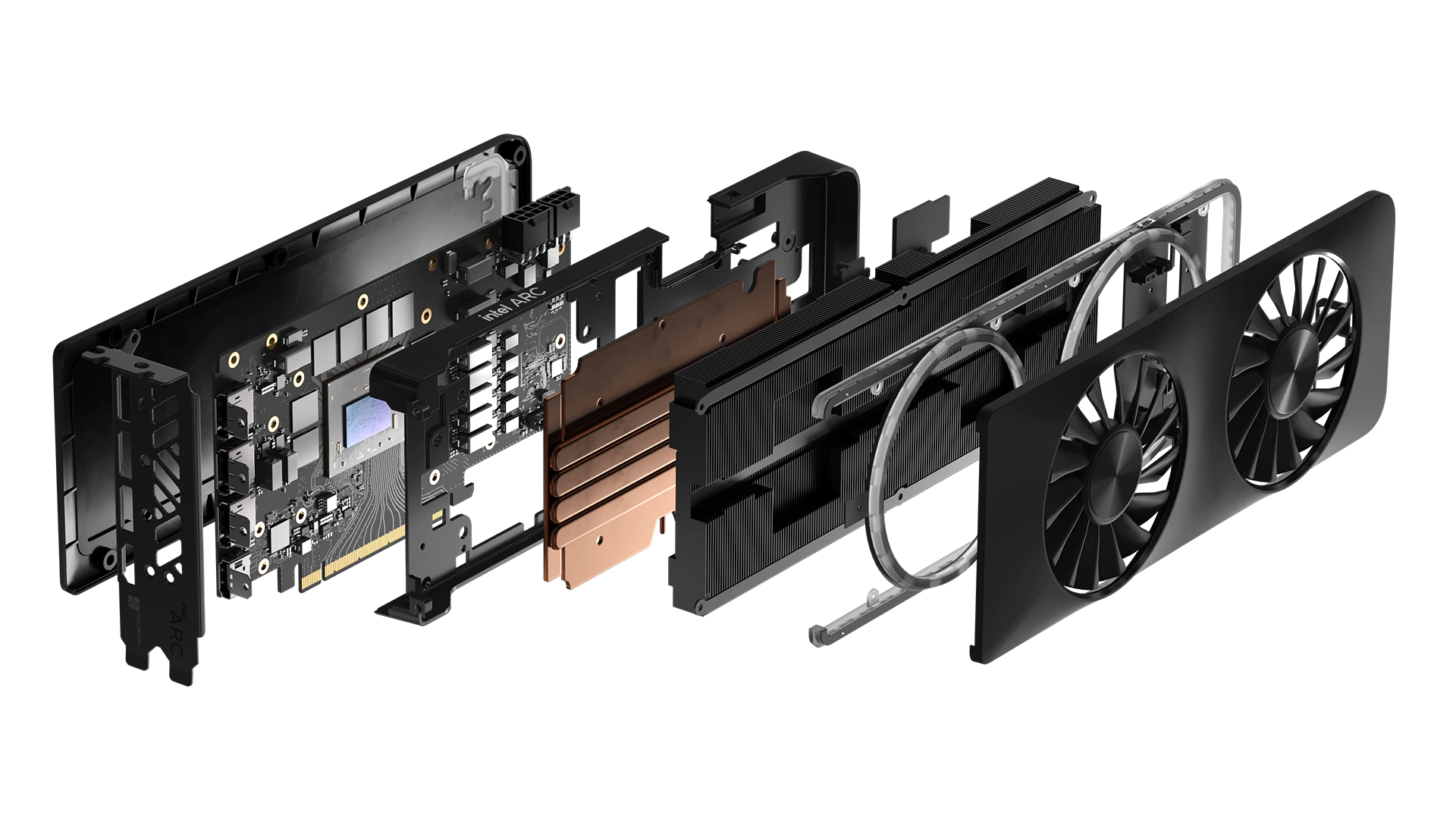
The better interpretation was that Arc mattered too much to Intel’s broader future to be written off that easily. The original article argued that Intel needed GPUs for more than just consumer gaming. Datacenter, accelerated compute, and long-term platform competitiveness all made Arc and Intel’s broader AXG ambitions strategically important. The gaming cards might have looked shaky, but the larger GPU push was unlikely to disappear quietly.
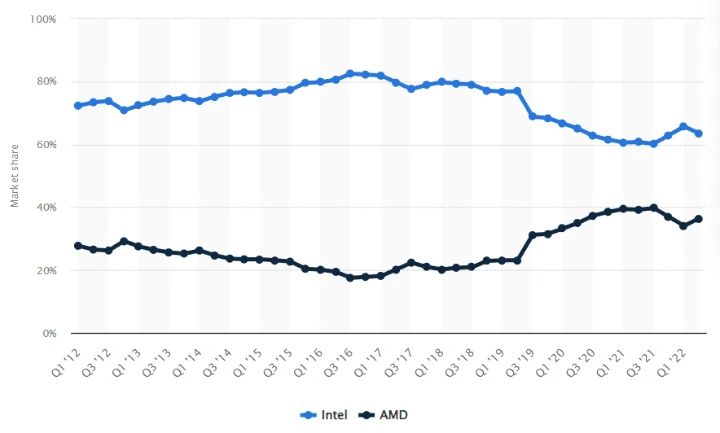
That argument holds up better in hindsight than some of the launch panic did.
If anything, Arc’s awkward debut highlighted the difference between launching a product and building a platform. Intel was not just trying to release another graphics card. It was trying to establish credibility in a market where Nvidia and AMD already had mature ecosystems, established driver behavior, and years of developer familiarity behind them.
That meant Arc had to fight two battles at once:
- proving it could compete in current titles
- surviving long enough for future titles, drivers, and developer support to improve the overall picture
That second point was one of the more interesting parts of the original piece. The longer Intel stayed in the fight, the less central older DX9 and DX11 weaknesses might become, particularly if the market kept moving toward newer APIs such as DirectX 12 and Vulkan. That did not solve Arc’s launch problems, but it did suggest a path forward.
The article also raised a harder question that still feels relevant when looking back at first-generation Arc:
Could Intel improve its GPU cadence quickly enough to catch up?
Arc A-series arrived late enough that it already felt behind the market rhythm. Even a competent follow-up would have needed to land on a much stronger schedule to avoid repeating that disadvantage. That question was not fully answerable at the time, but it was the correct one to ask.
In the end, the original “Raiders of the Lost ARC” title was probably more accurate than it first appeared.
The early Arc problem was not just performance. It was visibility.
Intel had launched a GPU line people wanted to evaluate, compare, and in some cases even support on principle. But in many regions, especially from the consumer perspective, the launch felt oddly difficult to participate in. You could read about Arc. You could watch reviews of Arc. You could debate Arc endlessly online.
Actually buying one was another matter.
That disconnect shaped Arc’s first impression as much as any benchmark chart did.
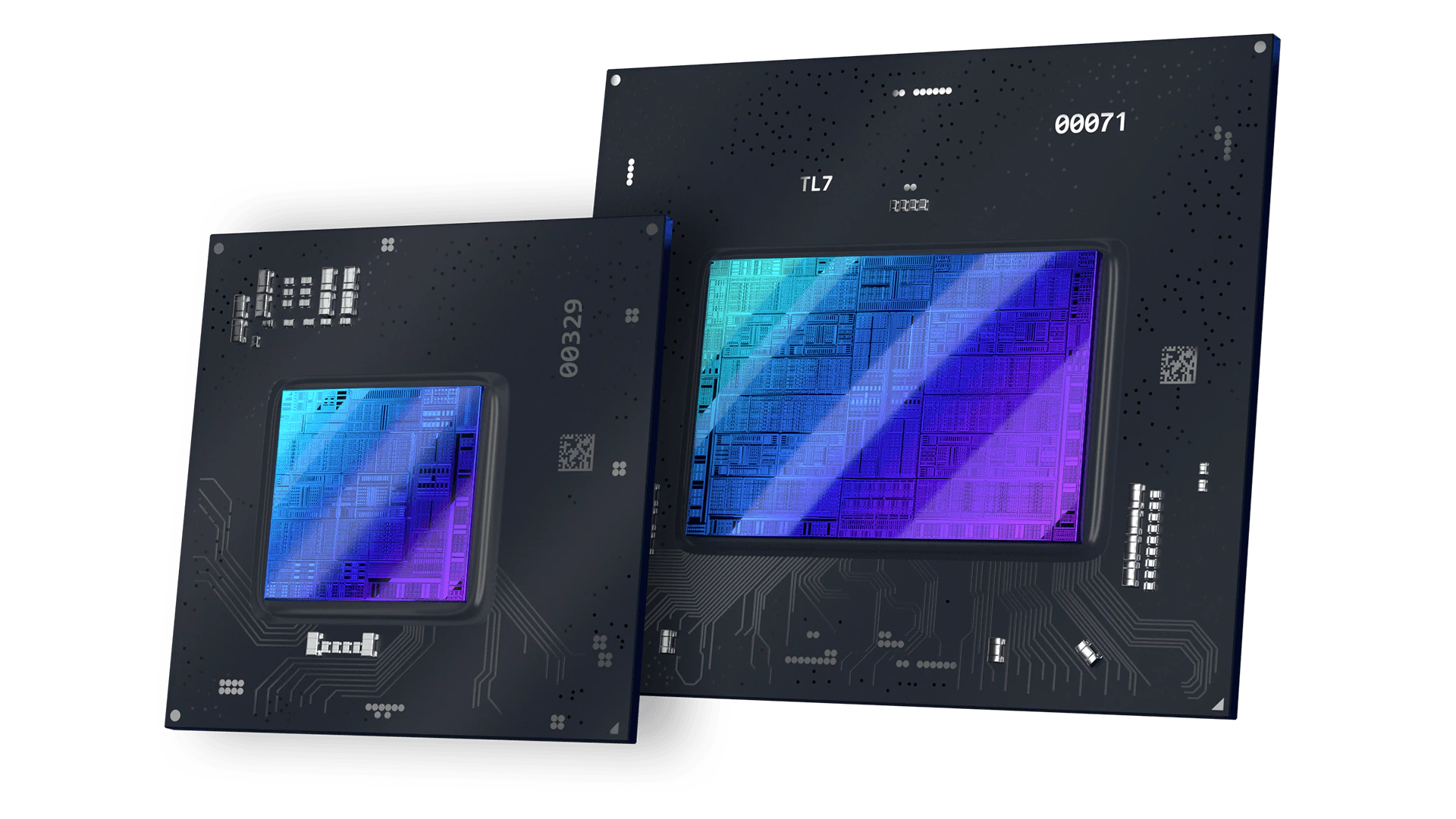
Context (2026):
One reason this article still works as an archive piece is that it captures something many later retrospectives flatten out: launch conditions matter. A product’s reputation is shaped not only by performance, but by how buyers first encounter it. In Arc’s case, constrained and inconsistent availability amplified every concern surrounding drivers, compatibility, and value.
2026 Editor’s Note:
The strongest part of the original article was not the speculation, but the question behind it. Arc’s launch genuinely did feel strange from a buyer’s perspective, especially in Canada. Looking back, the right lesson is not that every theory from the moment was correct, but that poor availability can distort the market’s understanding of a product before it ever has a fair chance to mature.
Related Reading:
- The RTX 3060 8GB Problem: A Sheep in Wolf’s Clothing
- Acer is on the Prowl
- Modern DigiDope.Tech Arc A770 testing and follow-up coverage